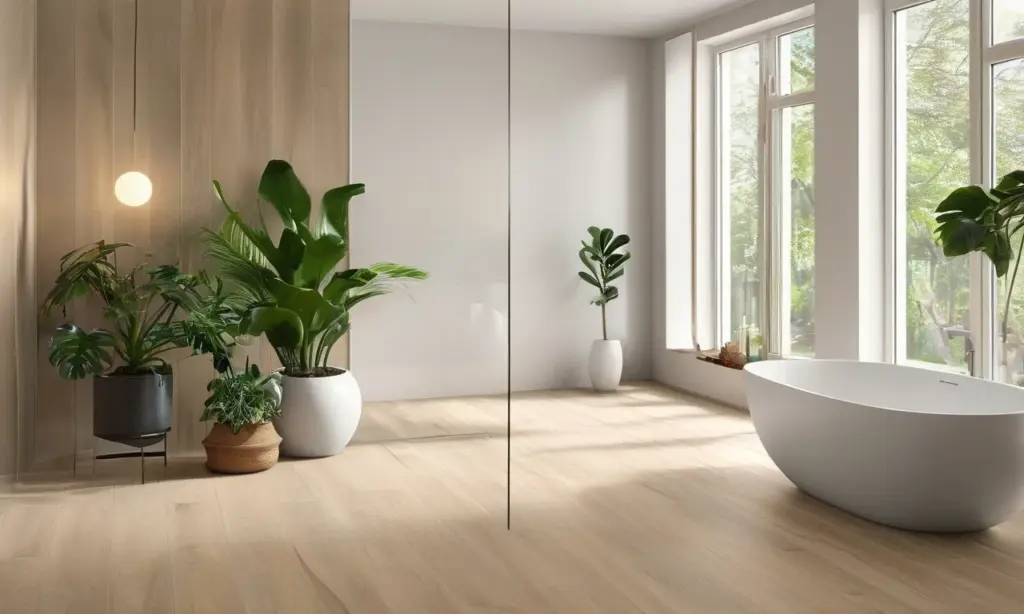
In 2026, the number one reason a bathroom floor fails is not style—it is water. A standard wood or laminate floor can buckle, swell, or grow mold within months of a single leak or daily steam. That is why waterproof bathroom flooring has become the default spec for homeowners, landlords, and commercial fit-outs alike. This guide compares the best bathroom flooring options for 2026, with a clear verdict on vinyl vs tile and how to choose for your budget and use case.
As a Foshan building-materials supplier, FenSo ships waterproof flooring and matching bathroom products to overseas buyers every week. Below is the same decision framework our B2B team uses when advising contractors and distributors.
Why “Water-Resistant” Is Not the Same as “Waterproof”
This distinction causes most bathroom flooring regrets:
- Water-resistant – repels occasional splashes but fails at seams, edges, and standing water (standard laminate, traditional engineered wood).
- Waterproof – the core itself will not absorb water; spills and floods will not swell the plank (LVP with rigid core, porcelain tile, sheet vinyl, waterproof laminate).
For a bathroom, always spec truly waterproof cores unless the area is a powder room with zero shower.
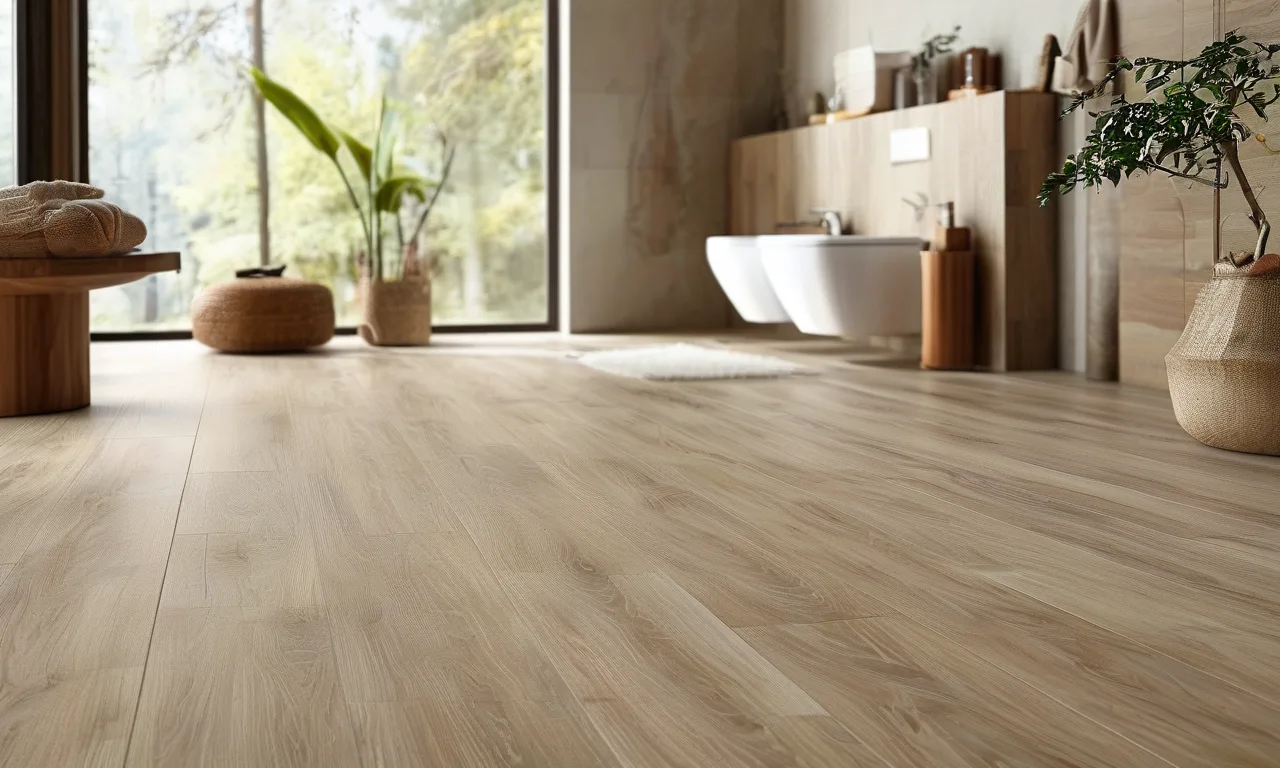
The 5 Best Waterproof Flooring Options for Bathrooms (2026 Ranking)
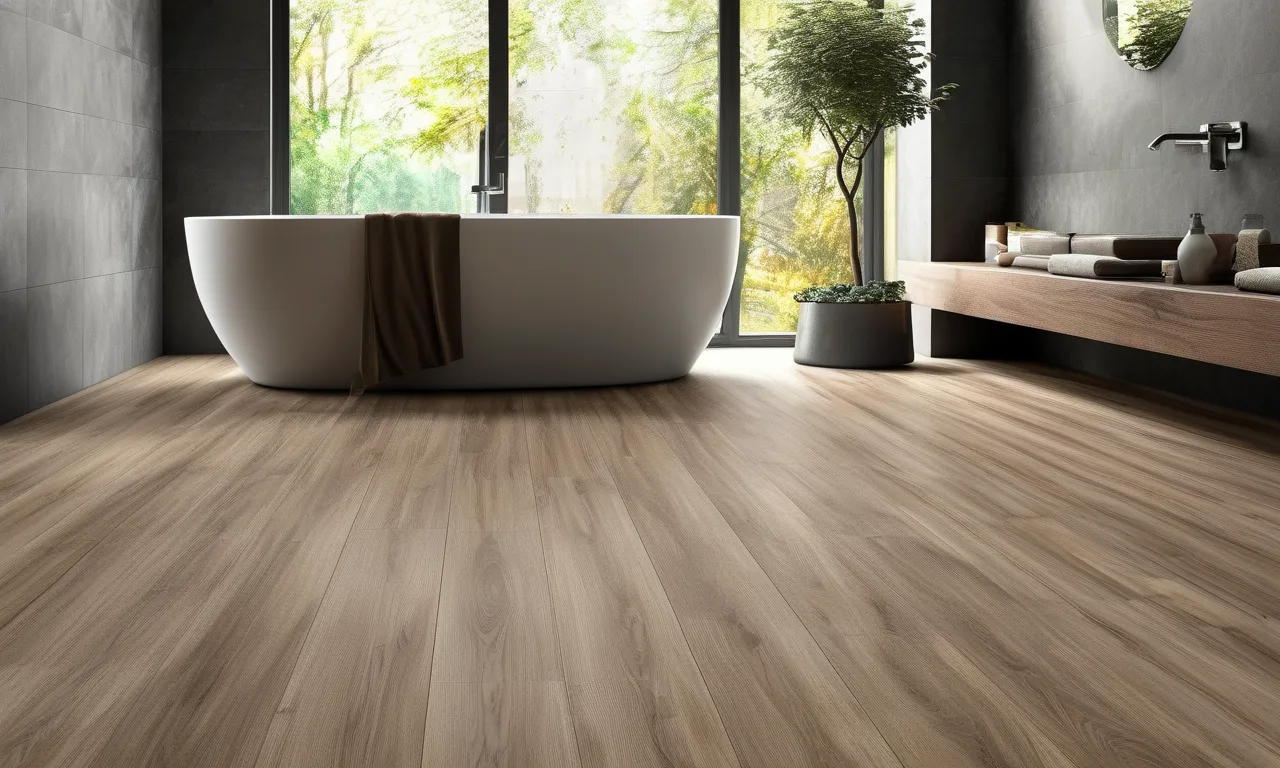
1. Luxury Vinyl Plank (LVP) — Best Overall
LVP with a rigid stone-plastic composite (SPC) or wood-plastic composite (WPC) core is 100% waterproof, quiet underfoot, warmer than tile, and easy to install as a floating floor. It mimics wood or stone at a fraction of the cost. For most bathrooms, LVP is the safest all-rounder. Our LVP vs laminate vs engineered wood cost & waterproof guide breaks down the price math.
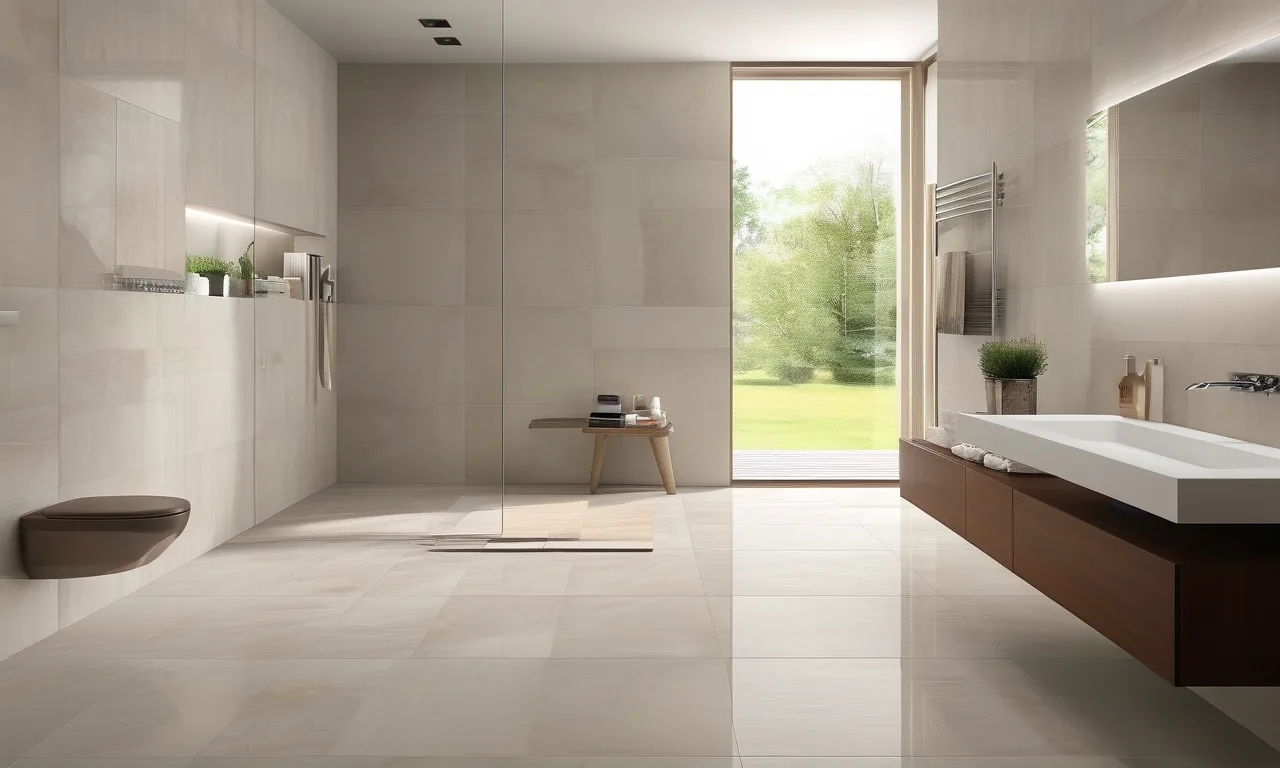
2. Porcelain / Ceramic Tile — Most Durable
Tile is fully impervious to water and lasts decades. The trade-offs are coldness, hardness (items break when dropped), and higher installation labor. Use tile in wet rooms, shower floors, and luxury builds where longevity beats comfort.
3. Waterproof Laminate (Aqua / Hydroseal) — Best Budget Wood Look
Modern “waterproof” laminate uses a tight click lock and water-repellent core that withstands topical spills for hours. It is cheaper than LVP and looks like real wood, but it is less forgiving of standing water at cut edges, so it suits half-baths and low-moisture zones better than a kids’ shower room.
4. Sheet Vinyl — Cheapest Fully Waterproof Roll
Continuous sheet vinyl has almost no seams for water to penetrate, making it the most leak-proof budget option. The downside is fewer design choices and a less premium feel. Ideal for rentals and utility bathrooms.
5. Engineered Wood with Waterproof Core (Hybrid) — Warmest Premium Look
Hybrid floors pair a real wood veneer with a waterproof core. You get authentic warmth without solid-wood water risk. Cost is the highest; reserve it for designer bathrooms where the wood aesthetic is the selling point.
Waterproof Bathroom Flooring Comparison Table
| Option | Waterproof? | Comfort / Warmth | Install cost (USD/m²) | Best for |
|---|---|---|---|---|
| Luxury Vinyl Plank (LVP) | Yes (core) | Warm, quiet | $25–$45 | Most bathrooms, families |
| Porcelain / ceramic tile | Yes (impervious) | Cold, hard | $35–$70 | Wet rooms, luxury, longevity |
| Waterproof laminate | Topical only | Warm | $20–$38 | Powder rooms, low moisture |
| Sheet vinyl | Yes (seamless) | Warm | $15–$30 | Rentals, utility baths |
| Hybrid engineered wood | Yes (core) | Warmest, premium | $45–$80 | Designer bathrooms |
Vinyl vs Tile for Bathroom: The Real Decision
If you only remember one comparison, make it this one:
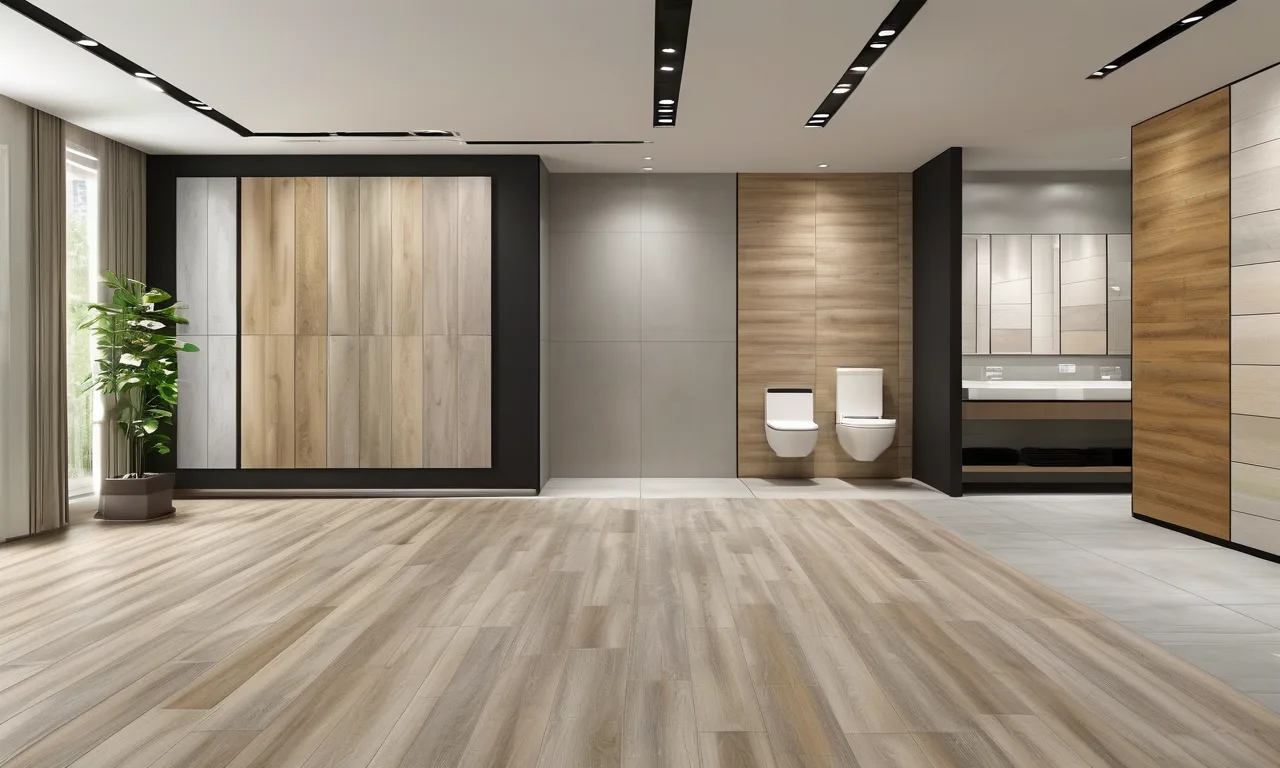
- Choose LVP when you want warmth, quiet, faster install, and lower cost—typical family and rental bathrooms.
- Choose tile when longevity, resale perception, and total water immunity matter more than comfort—luxury homes and wet rooms.
Both are fully waterproof; the choice is about feel and budget, not performance.
How to Choose the Right Waterproof Floor by Scenario
- Family / kids bathroom – LVP (soft, warm, slip-resistance options).
- Master en-suite (luxury) – tile or hybrid engineered wood.
- Rental / flip – sheet vinyl or waterproof laminate for speed and cost.
- Basement or humid climate – LVP or tile (avoid any fiber-based core).
For wood-species aesthetics, see our pine vs oak flooring comparison to match plank tone to your cabinetry.
Installation & Cost Notes for 2026
- Floating LVP / laminate – DIY-friendly click lock; budget only for underlayment and trim.
- Tile – professional thinset + grout; waterproofing membrane in the shower is mandatory.
- Sheet vinyl – glue-down; cheapest labor but requires a flat subfloor.
Specify an anti-slip rating (R10+ for bathrooms) and pair with a compatible waterproof skirting to protect walls from splash.
FAQ
What is the most waterproof flooring for a bathroom?
Tile and sheet vinyl are the most leak-proof. LVP with an SPC/WPC rigid core is fully waterproof at the plank level and the best balance for everyday bathrooms.
Is LVP better than tile for bathrooms?
For comfort, warmth, and cost, yes. For maximum longevity and resale, tile wins. Both are waterproof; pick by feel and budget.
Can you use laminate in a bathroom?
Only “waterproof” laminate in low-moisture half-baths. Standard laminate will fail with standing water.
Does waterproof flooring need a vapor barrier?
LVP and laminate floating installs usually include built-in underlayment; on concrete slabs add a separate vapor barrier.
Conclusion
The best waterproof flooring for your bathroom depends on moisture level, budget, and comfort preference—but LVP is the safe 2026 default, with tile as the premium, longest-lasting alternative. Spec a truly waterproof core, an anti-slip rating, and correct edge detailing, and your floor will outlast the trend cycle.
Need a flooring RFQ? Contact FenSo’s B2B team for waterproof flooring samples, matching bathroom fixtures, and FOB pricing for your next project.